Berberine is an herbal supplement that’s generally safe and well tolerated by people with type 2 diabetes.
Research suggests it has powerful blood-sugar-lowering effects and may be as effective as various conventional type 2 diabetes medications, such as Metformin (Glucophage), Rosiglitazone (Avandia), and Glipizide (Glucotrol).
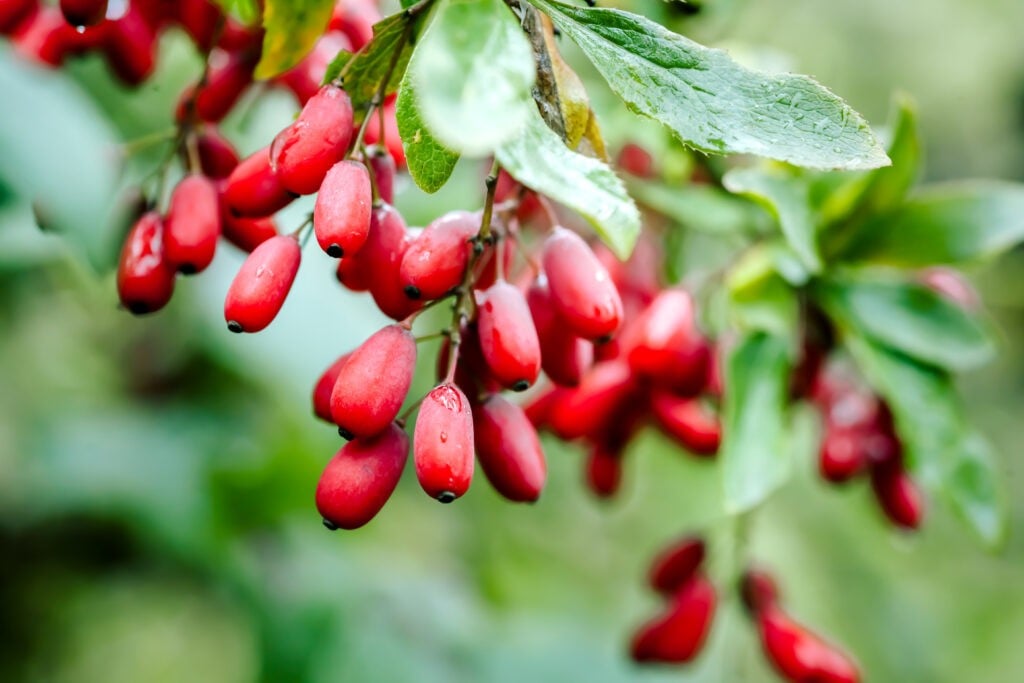
Berberine is a bioactive compound found in various plants, such as Phellodendron amurense (Amur cork tree), Hydrastis canadensis (Goldenseal), and several shrubs from the Berberis genus (1).
It has been long used in Ayurvedic and Traditional Chinese Medicine to treat health issues like infections (2, 3).
Interestingly, research suggests that berberine has powerful blood-sugar-lowering effects (4).
This article explores the effects of berberine on blood sugar levels and how it may help manage diabetes.
Berberine and Blood Sugar Levels
Elevated blood sugar levels characterize conditions like diabetes and prediabetes due to either decreased insulin production or decreased sensitivity to insulin.
Although it’s normal for your blood sugar levels to fluctuate throughout the day, prolonged high blood sugar levels can cause various health problems, including organ damage (5).
A decent amount of animal research suggests berberine may help lower blood sugar levels via various pathways, including by the following (6, 7):
- increasing insulin sensitivity
- promoting insulin production
- regulating metabolism
- increasing glycolysis, or the breakdown of glucose
- reducing glucose production in the liver
- increasing nitric oxide (NO) production, which helps widen arteries
- slowing carbohydrate absorption from the gut
Several studies among people with type 2 diabetes have shown that taking 600–2,700 mg of berberine daily may lower fasting and long-term blood sugar levels by up to 20% and 12%, respectively, especially when taken alongside blood sugar medication (8, 9).

Similarly, a review of 14 studies found that berberine lowered blood sugar levels and seemed to be as effective as common blood sugar medications, including metformin (Glucophage), rosiglitazone (Avandia), and glipizide (Glucotrol) (3).
Furthermore, research suggests berberine may help support the blood-sugar-lowering effects of other diabetes medications when taken alongside them (3, 9, 10).
Therefore, berberine appears to be a promising blood-sugar-lowering treatment. This may be especially valuable to those who cannot take diabetes medications due to liver, kidney, or heart disease (11).
The Bottom Line
Berberine is an herbal supplement that’s generally safe and well tolerated by people with type 2 diabetes.
Research suggests it has powerful blood-sugar-lowering effects and may be as effective as various conventional type 2 diabetes medications, such as metformin (Glucophage), rosiglitazone (Avandia), and glipizide (Glucotrol).
If you’re currently taking any medications, it’s important to speak with your doctor or healthcare provider before taking berberine due to the risk of interactions and low blood sugar levels.
Source: https://www.healthline.com/nutrition/berberine-diabetes
References:
1. Berberine and Its Role in Chronic Disease https://pubmed.ncbi.nlm.nih.gov/27671811/
2. Berberine: a potential phytochemical with multispectrum therapeutic activities https://pubmed.ncbi.nlm.nih.gov/20836620/
3. Berberine in the treatment of type 2 diabetes mellitus: a systemic review and meta-analysis https://pubmed.ncbi.nlm.nih.gov/23118793/
4. Traditional chinese medicine in treatment of metabolic syndrome https://pubmed.ncbi.nlm.nih.gov/18537696/
5. Diabetes microvascular complications-A clinical update https://pubmed.ncbi.nlm.nih.gov/27993541/
6. Effects and mechanisms of berberine in diabetes treatment https://www.sciencedirect.com/science/article/pii/S2211383512000871
7. Application of berberine on treating type 2 diabetes mellitus https://pubmed.ncbi.nlm.nih.gov/25861268/
8. Treatment of type 2 diabetes and dyslipidemia with the natural plant alkaloid berberine: https://pubmed.ncbi.nlm.nih.gov/18397984/
9. Meta-analysis of the effect and safety of berberine in the treatment of type 2 diabetes mellitus, hyperlipemia and hypertension: https://pubmed.ncbi.nlm.nih.gov/25498346/
10. Efficacy of berberine in patients with type 2 diabetes mellitus: https://pubmed.ncbi.nlm.nih.gov/18442638/
11. Berberine as a therapy for type 2 diabetes and its complications: From mechanism of action to clinical studies: https://pubmed.ncbi.nlm.nih.gov/25607236/


