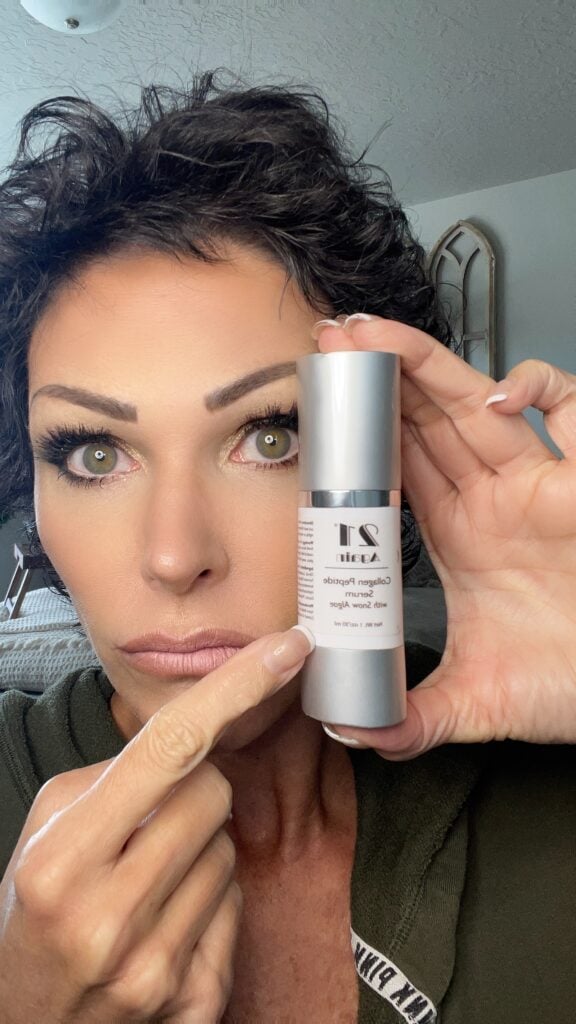



Since liposomes are made of the same material as most cells, your body recognizes them as a friendly substance
Meet the inventor of the Liposome…
Alec Douglas Bangham
Haematologist and Inventor of Liposomes
Born in Manchester, UK, on Nov 10, 1921
Passed away in Great Shelford, UK,
on March 9, 2010
What Are Liposomes?
A Liposome (LY-poh-SOH-m) is a nutrient formulation that contains the active nutrient inside very tiny, fat-like particles. This form is easier for the body to absorb and delivers more nutrients to target areas in the body. Liposomes are spherical-shaped phospholipid pods filled with aqueous nutrients and indeed represent the most extensively studied and advanced supplement delivery technology.
Absorption is the movement of nutrients into the body’s circulation. Bioavailability describes how much of a nutrient becomes available for the body to use.
With conventional tablets and capsules, digestion can affect nutrient stability and absorption—especially when gastrointestinal function is compromised.
When applied topically, liposomes can interact with the skin’s natural lipid layers, helping support the delivery and gradual release of encapsulated ingredients. Their unique structure makes them valuable carriers for topical formulations designed to enhance ingredient availability through the skin.
Superior Natural Absorption
Benefits of Liposomal Delivery Technology

Cellular Compatibility
Liposomes are made of the same material as most cells therefore, your body recognizes them as phospholipid friendly substance.

Increase Absorption
Protects against the harsh environment of the GI tract and increases bioactive uptake absorption.

Self Regulating
Liposomal topicals can optimize cellular uptake and effectiveness and can be easily adjusted to a lower or higher dose to meet individual needs.

Larger Payload
Provides a larger nutrient payload per particle. Offers higher bioavailability and absorption compared to conventional capsules.

Penetration Enhancer
Once applied on the skin, liposomes rupture and diffuse as a lipidic mixture that acts as a penetration enhancer.

Avoids Digestion
Timing of the dose does not require accompaniment or exclusion of food as the absorption via the liposome avoids the digestive process.
Why Use The Skin?
Why LDT™ — Liposomal Delivery Technology?
Our Certified Liposomal Delivery Technology (LDT™ ) creams are designed to deliver beneficial ingredients directly through the skin—without relying on the gastrointestinal tract for absorption.
When nutrients are taken orally, they must first travel through the digestive system, where stomach acid, digestive enzymes, bile salts, and other processes can influence their stability and bioavailability. Certain nutrients may also be affected by individual differences in digestion and gastrointestinal health.
LDT™ offers a different approach.
By encapsulating selected ingredients within microscopic lipid-based liposomes, LDT™ helps protect and deliver them through the skin while bypassing the digestive process altogether.
No swallowing required. No digestive breakdown. Just targeted, topical liposomal delivery through the skin.
How Are They Absorbed?
Since liposomes are made of the same material as most cells, your body recognizes them as a friendly substance. When applied to the skin, the liposome’s phospholipid membrane interacts with the skin’s natural lipid barrier. This interaction helps the liposome release its encapsulated nutrient and supports the nutrient’s movement into the skin.
The liposomal shell helps protect the encapsulated nutrient from premature breakdown until it reaches its intended environment.
This allows for a gradual release—allowing the nutrient to become available within the skin without first passing through the digestive system.
Sharing the review love
Watch how our products have helped improve the lives of our customers.
References:
- https://www.thelancet.com/pdfs/journals/lancet/PIIS0140-6736(10)60950-6.pdf
- https://www.ncbi.nlm.nih.gov/pubmed/18217339
- https://www.intechopen.com/books/liposomes/hydrogels-and-their-combination-with-liposomes-niosomes-or-transfersomes-for-dermal-and-transdermal-
- https://pubmed.ncbi.nlm.nih.gov/28049940/
- https://www.nature.com/articles/s41598-018-31693-y